SOLM Atelier de Barro
São Vicente, Cabo Verde
6
Months
10
Women & Youth
150-200
Hours
Education
Cultural preservation
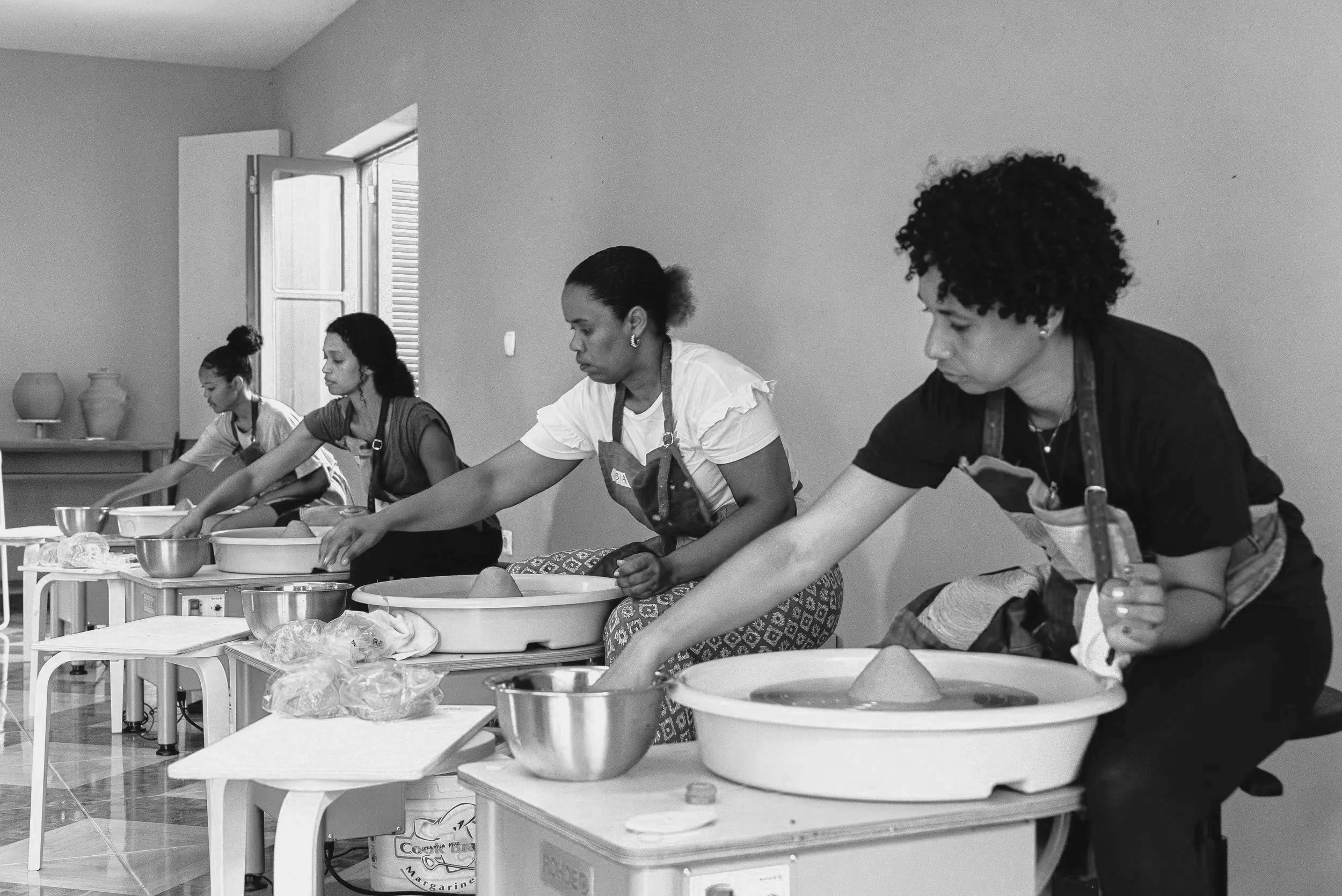
Created in Calhau, SAB is a six-month ceramics and leadership programme bringing together local knowledge, contemporary practice and pathways into meaningful work.
Co-designed with our partners at Olio, the programme begins with clay but reaches much further: preserving knowledge through practice, developing a new generation of makers, and building the local production capacity to connect Cabo Verdean craft with the country's growing hospitality and tourism economy.
ABOUT THE PROGRAM
SAB began with a question: as tourism grows in Cabo Verde, how can the communities, knowledge and craftsmanship that give these islands their identity grow with it?
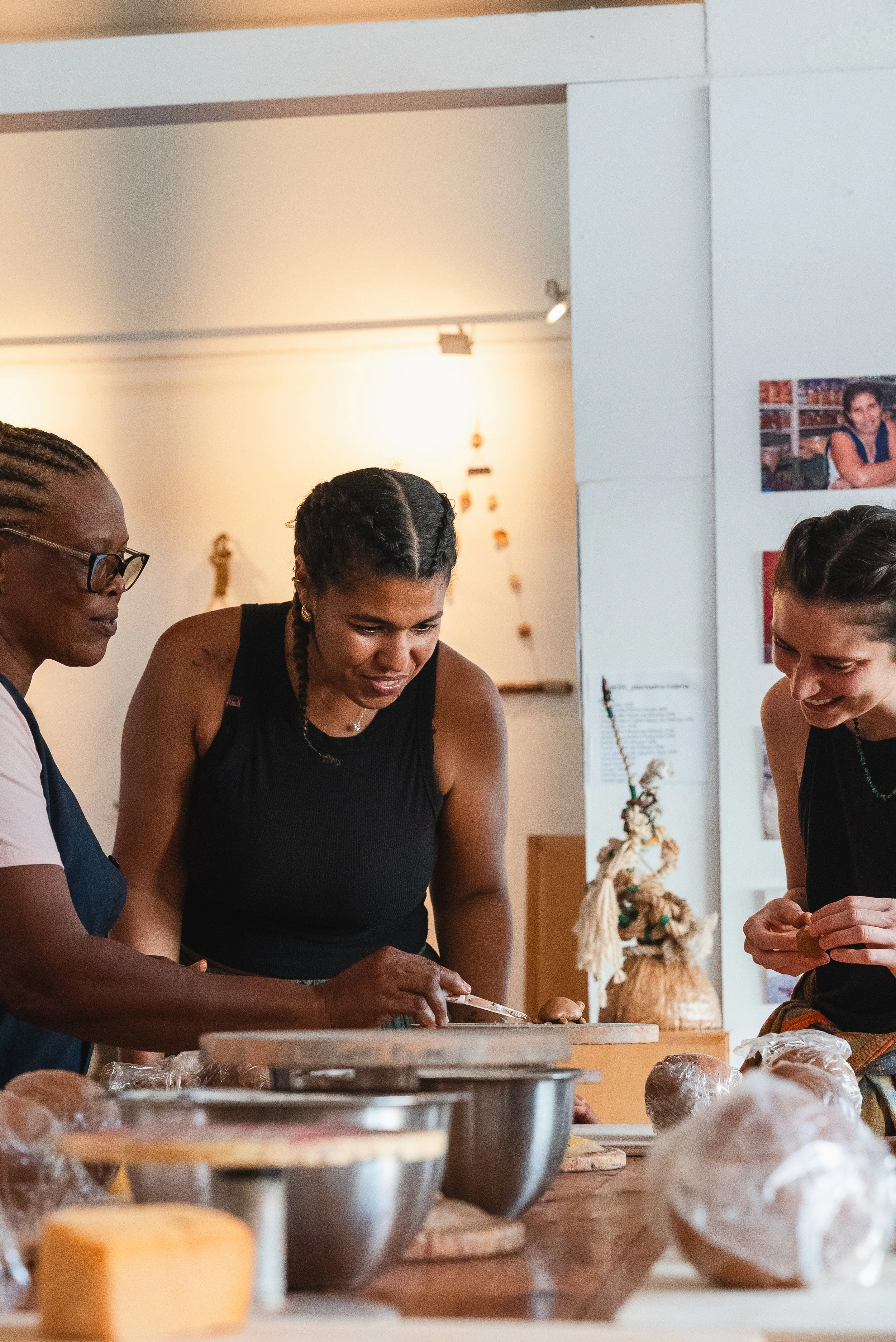
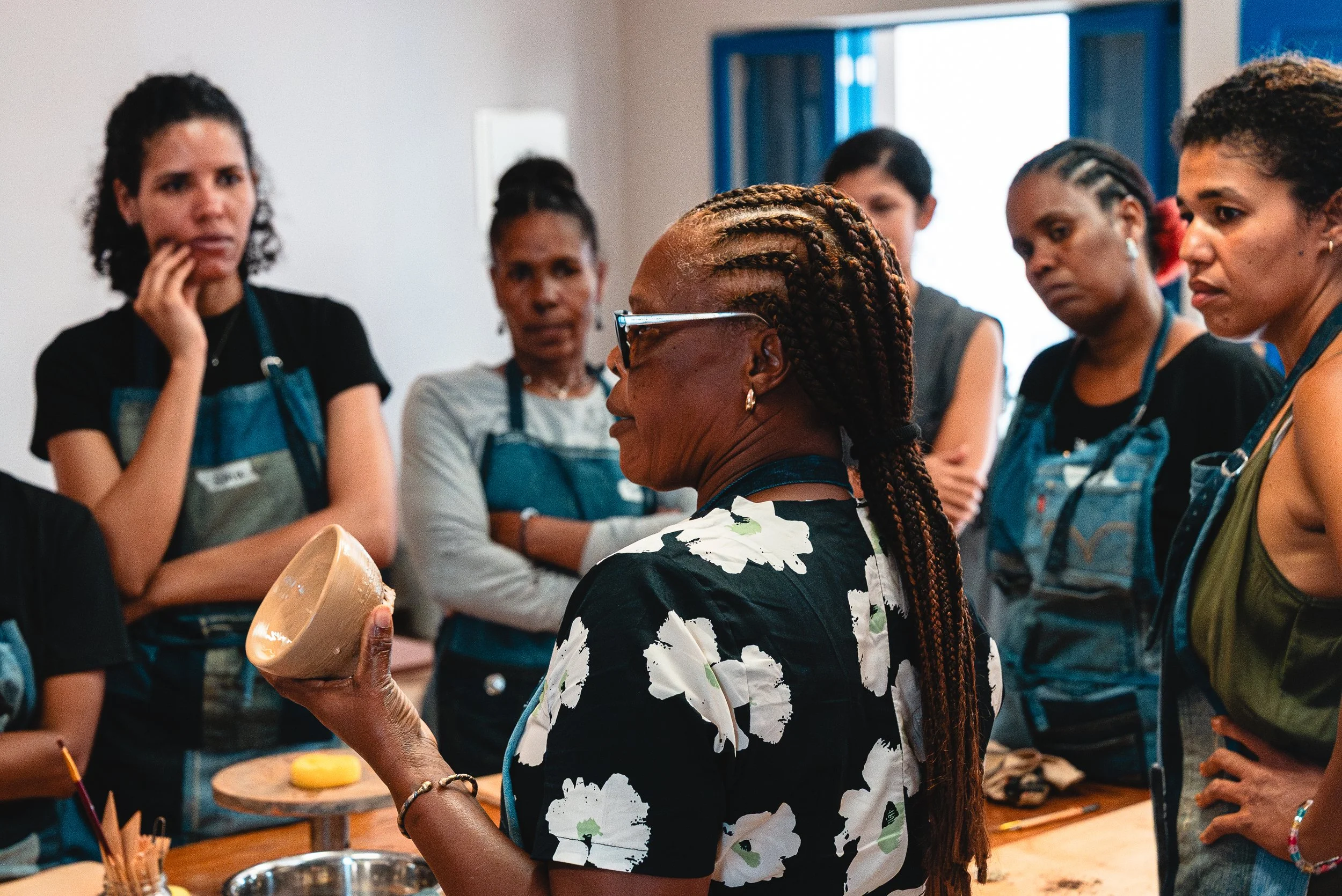
Our first cohort brings together ten women from Calhau for six months and approximately 150–200 hours of ceramics, leadership and professional development.
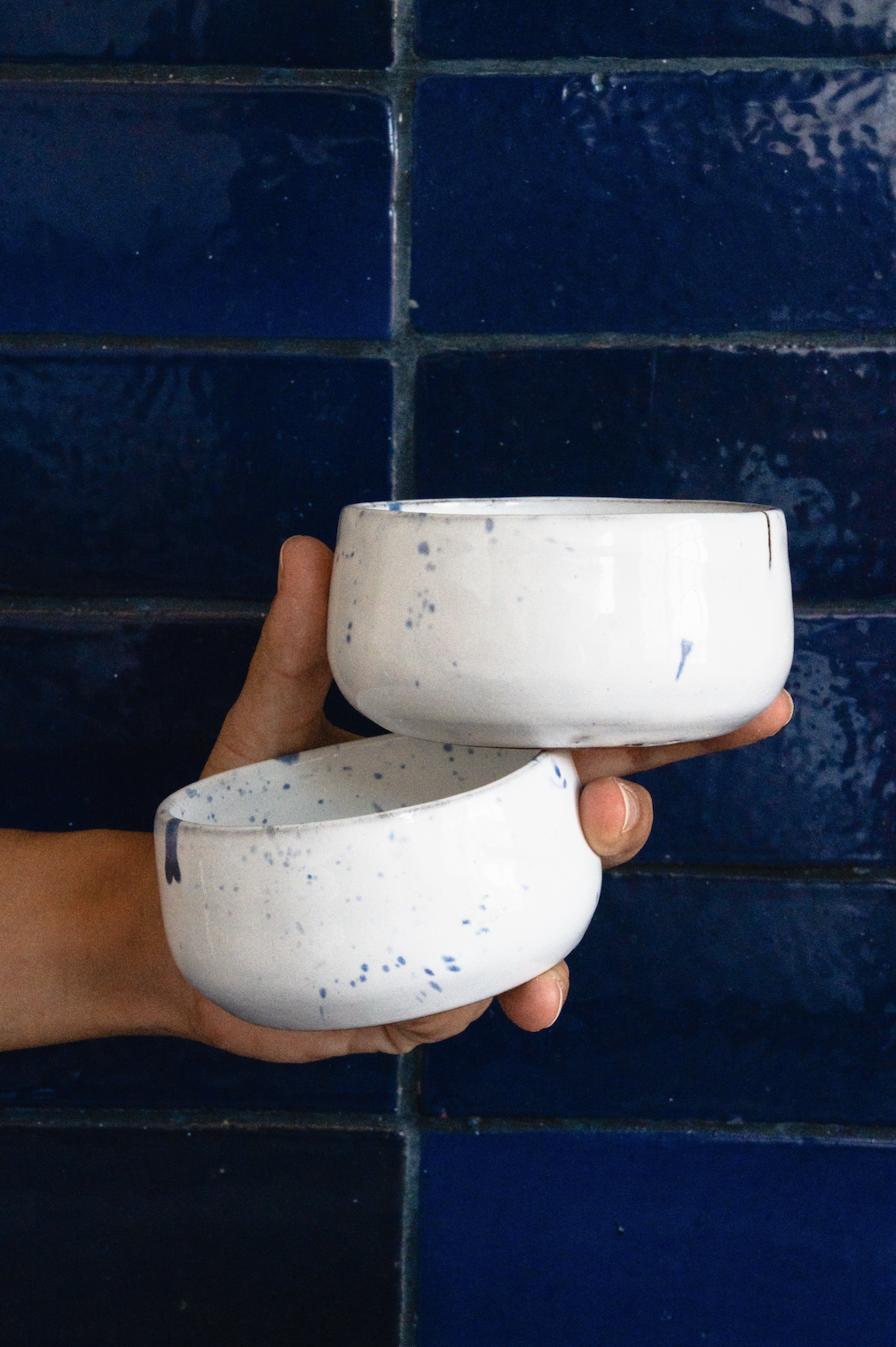
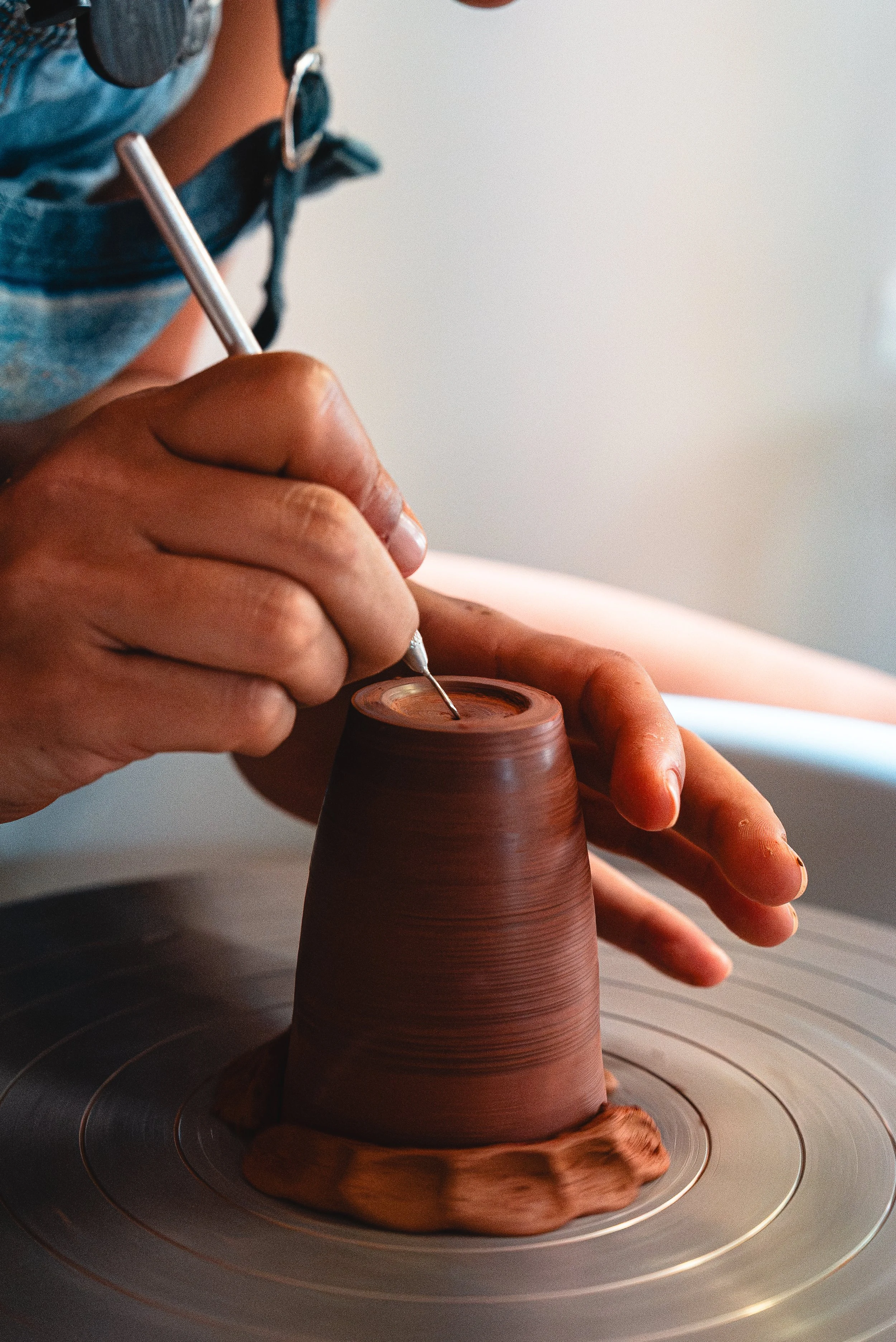
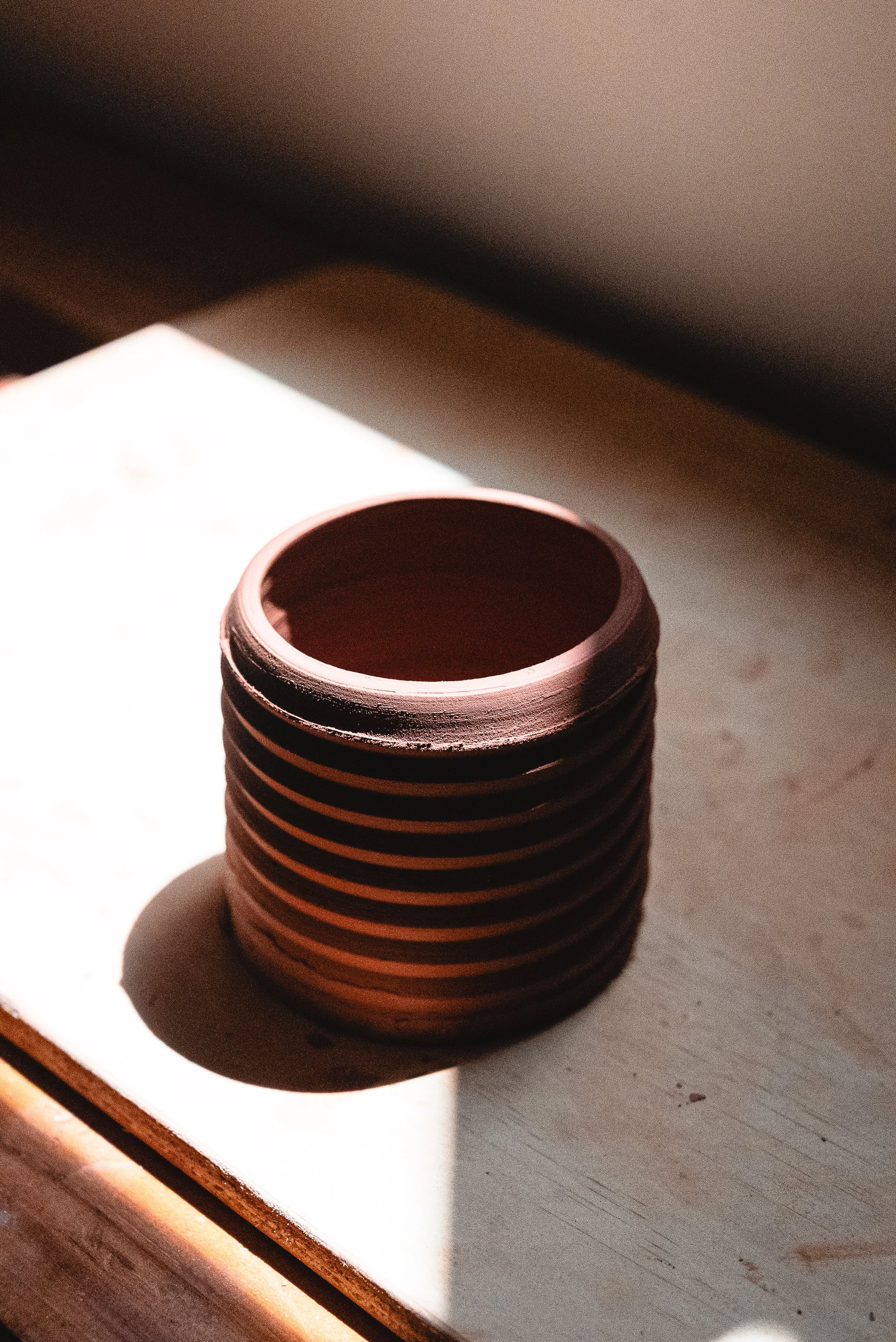
Clay is the starting point. Participants learn its journey from material to object: working with local clay, hand-building, wheel throwing, mould-making, surface and texture, pigmentation, glazing, firing and production. Traditional Cabo Verdean techniques are taught alongside contemporary ceramic practice, creating space for inherited knowledge to be practiced while new possibilities are explored.
But learning to make is only part of the programme.
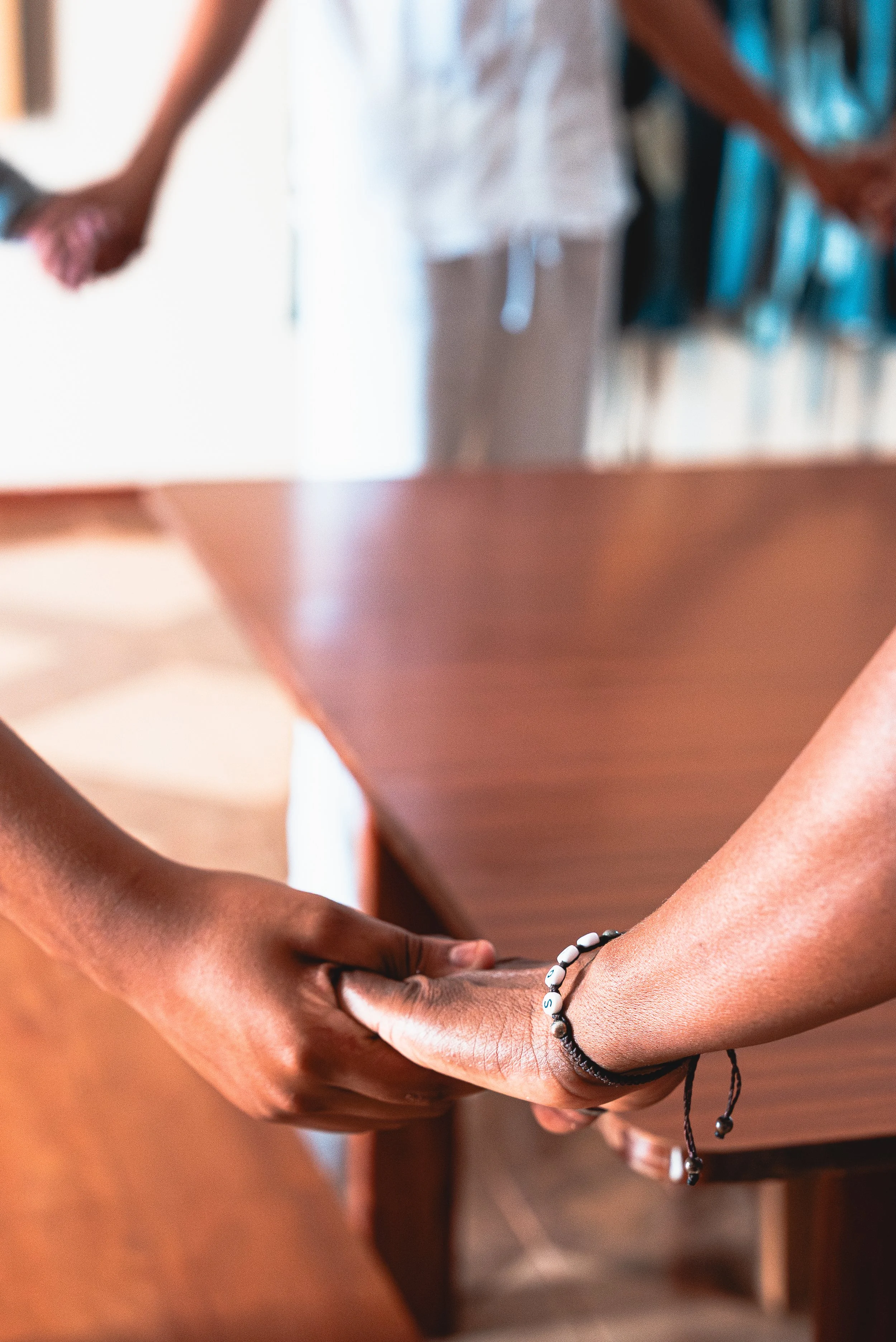
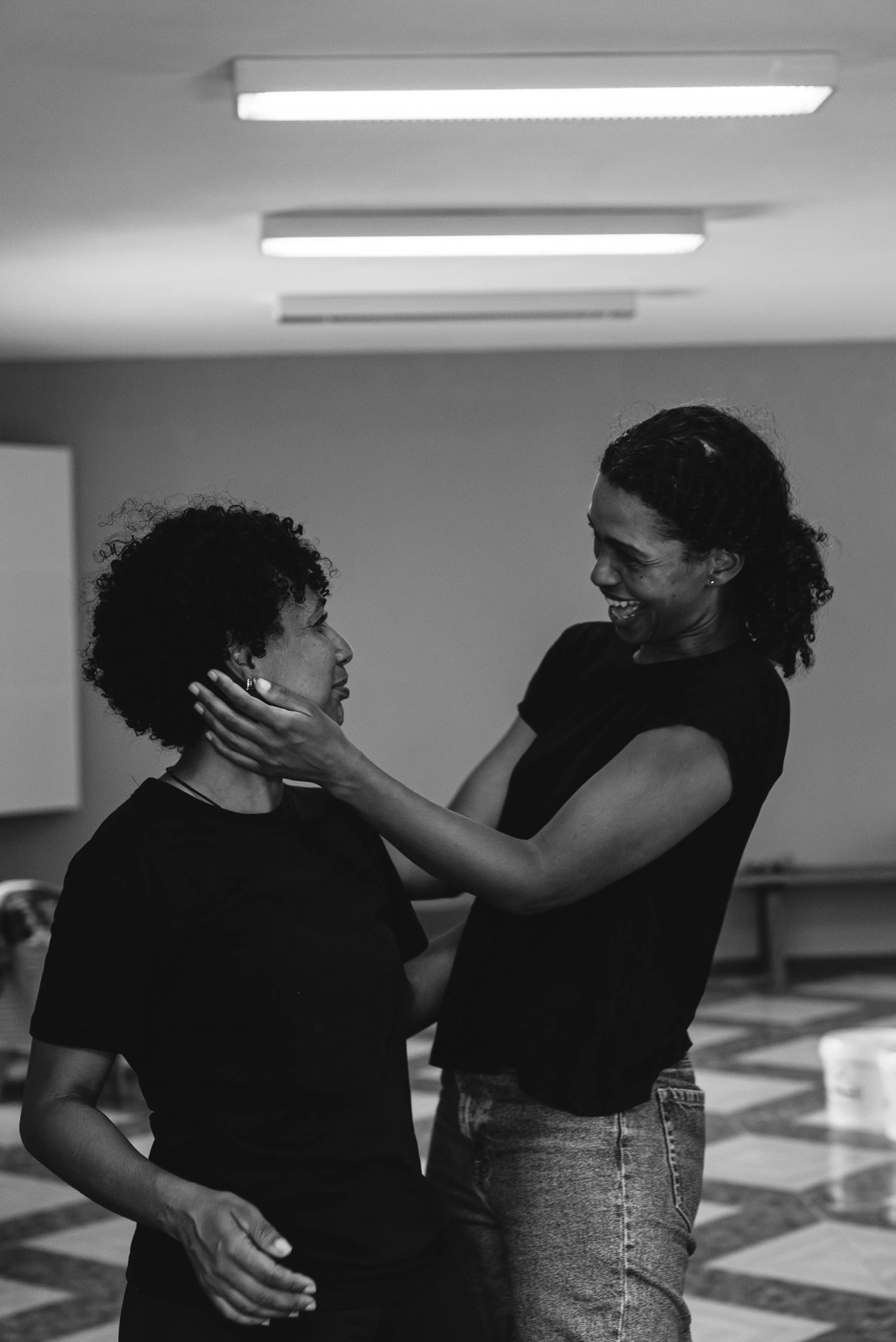
SAB also introduces product development, pricing and costing, quality, storytelling and hospitality standards, alongside leadership sessions centred on confidence, communication, self-awareness and collaboration. Together, these skills prepare participants not only to make objects, but to work collectively, develop products and begin building professional pathways around their craft.
Six months of sustained learning requires time. For participants who would otherwise be unable to make that commitment, SAB provides stipends to help remove the financial barrier to participation.
The intention is not simply to train ceramicists. It is to create the conditions for makers, producers, teachers and community leaders to emerge.
THE KNOWLEDGE COMMUNITY
SAB brings together knowledge rooted in Cabo Verde with contemporary ceramic practice from elsewhere, allowing different techniques, traditions and ways of working with clay to meet.
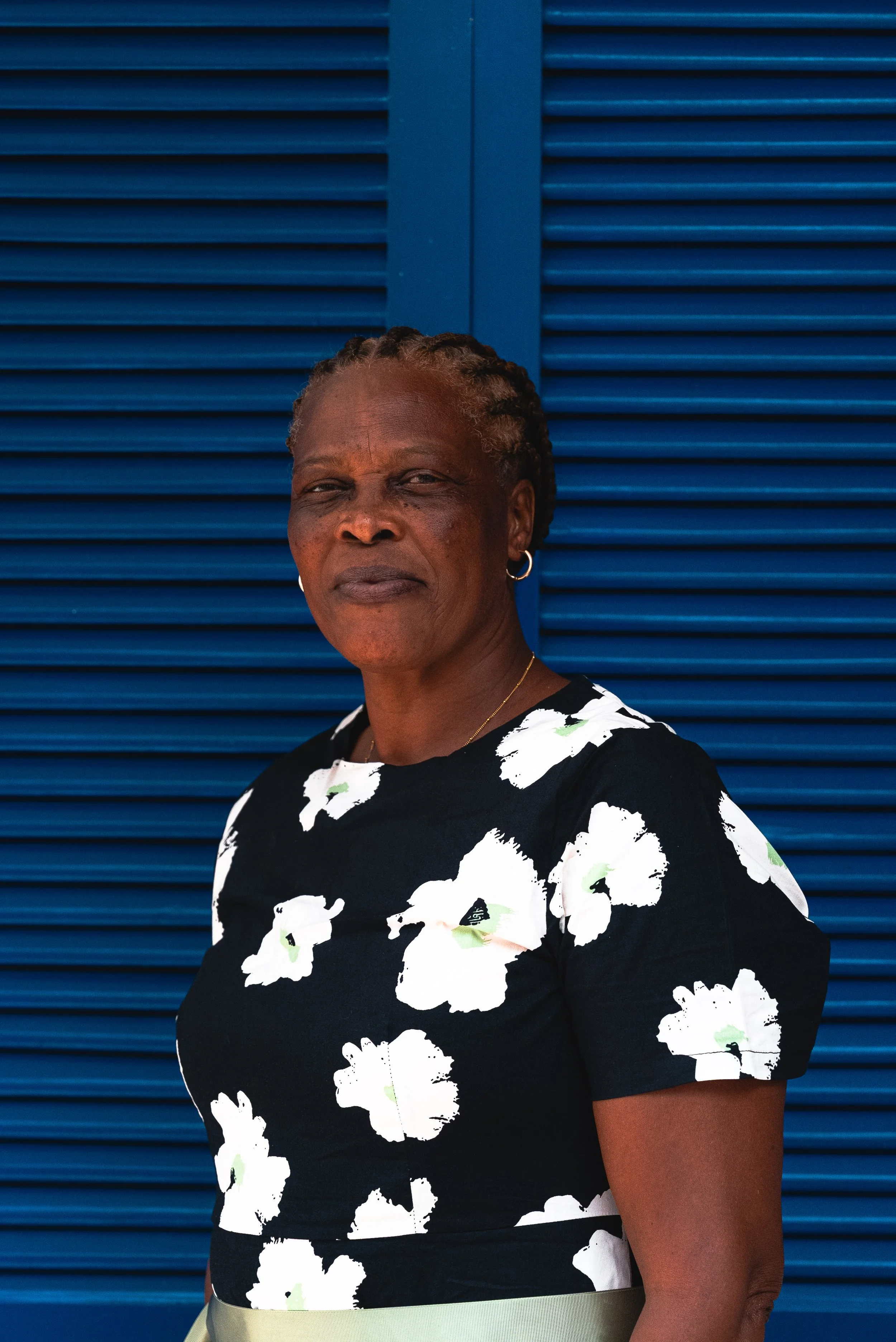
Zenaida Teixeira · Santiago
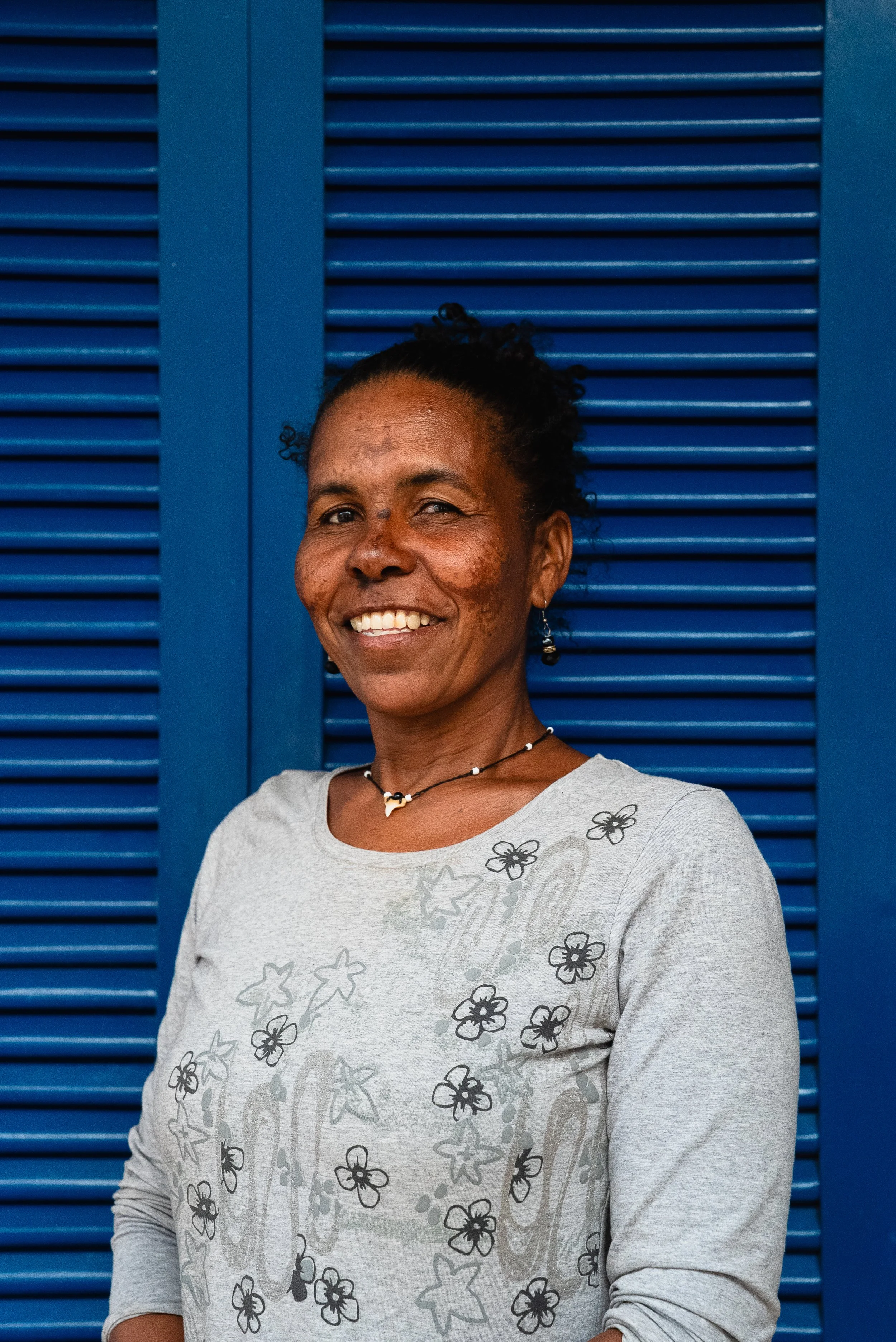
A traditional Cabo Verdean ceramicist with more than 20 years of practice. Zenaida works with locally collected clay, ancestral hand-building techniques, stone burnishing and traditional firing, passing forward knowledge deeply connected to land and generations of making.
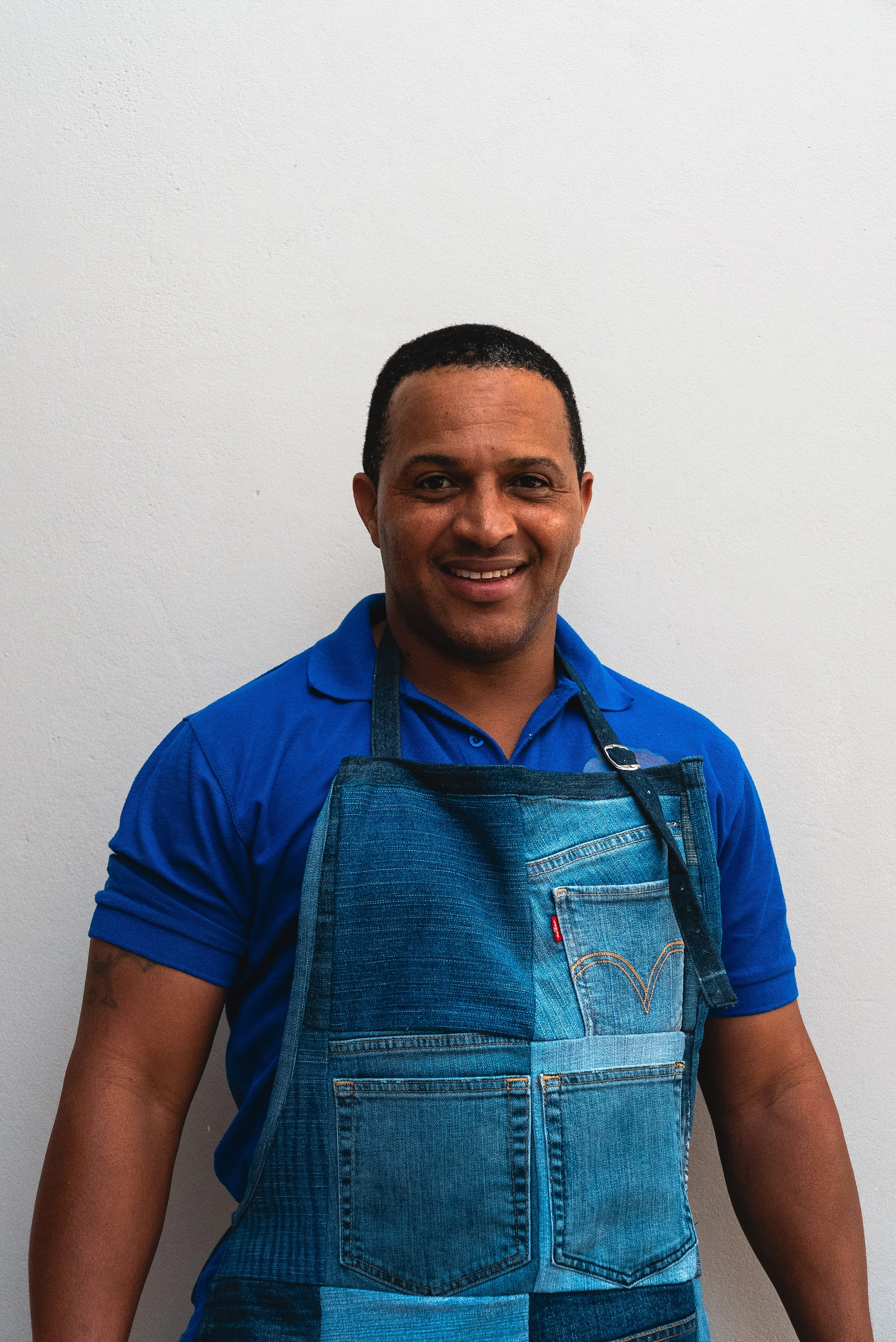
Nelson Tavares · Terracota Atelier, São Vicente
Founder of one of São Vicente’s longstanding ceramic studios, Nelson brings over 25 years of experience in wheel-throwing, mould-making, firing and larger-scale production. His practice connects traditional design with the technical knowledge needed to move from individual objects to consistent production.
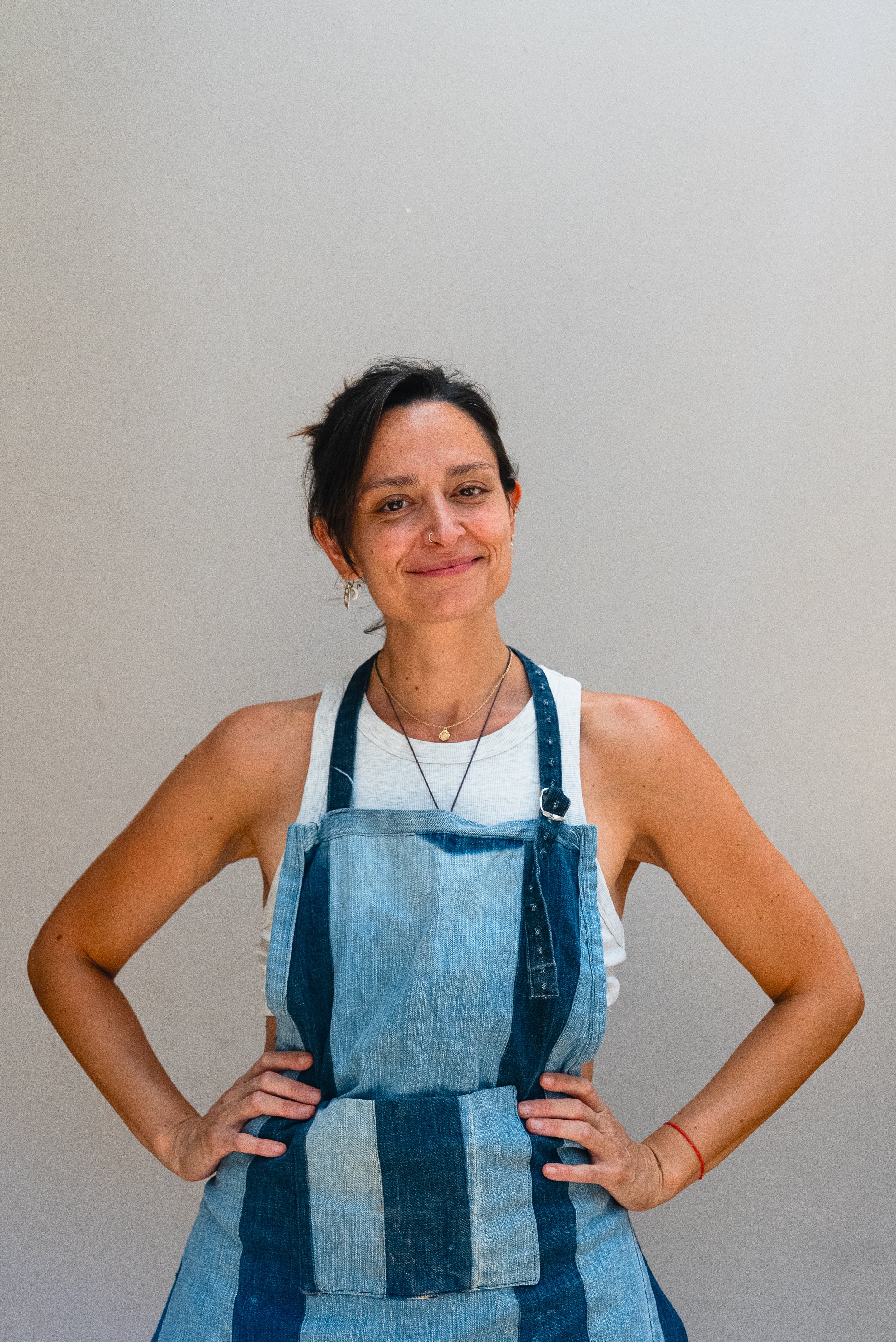
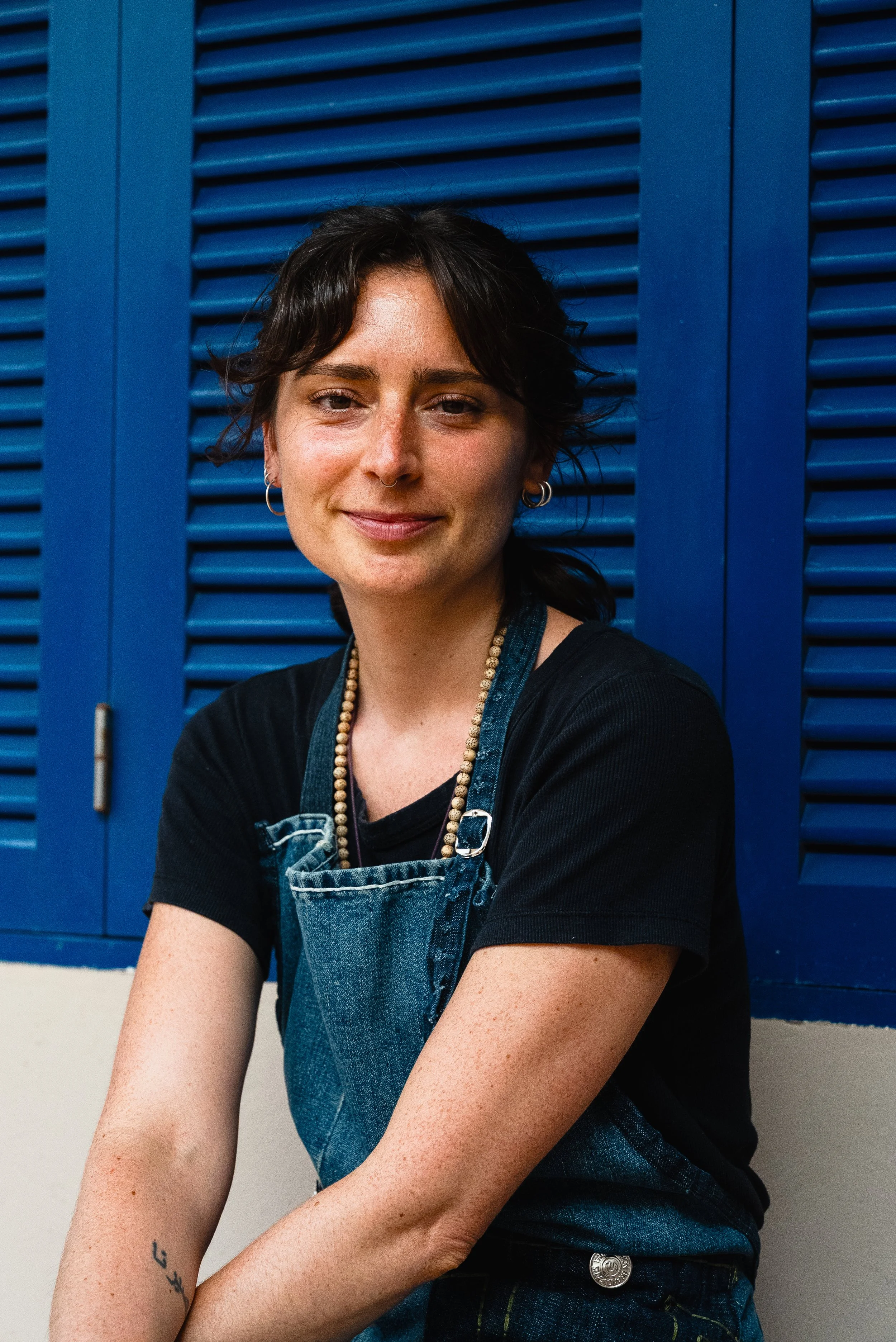
Mariana + Josefina Bonetto · El Patio de Tierra, Argentina / Barcelona
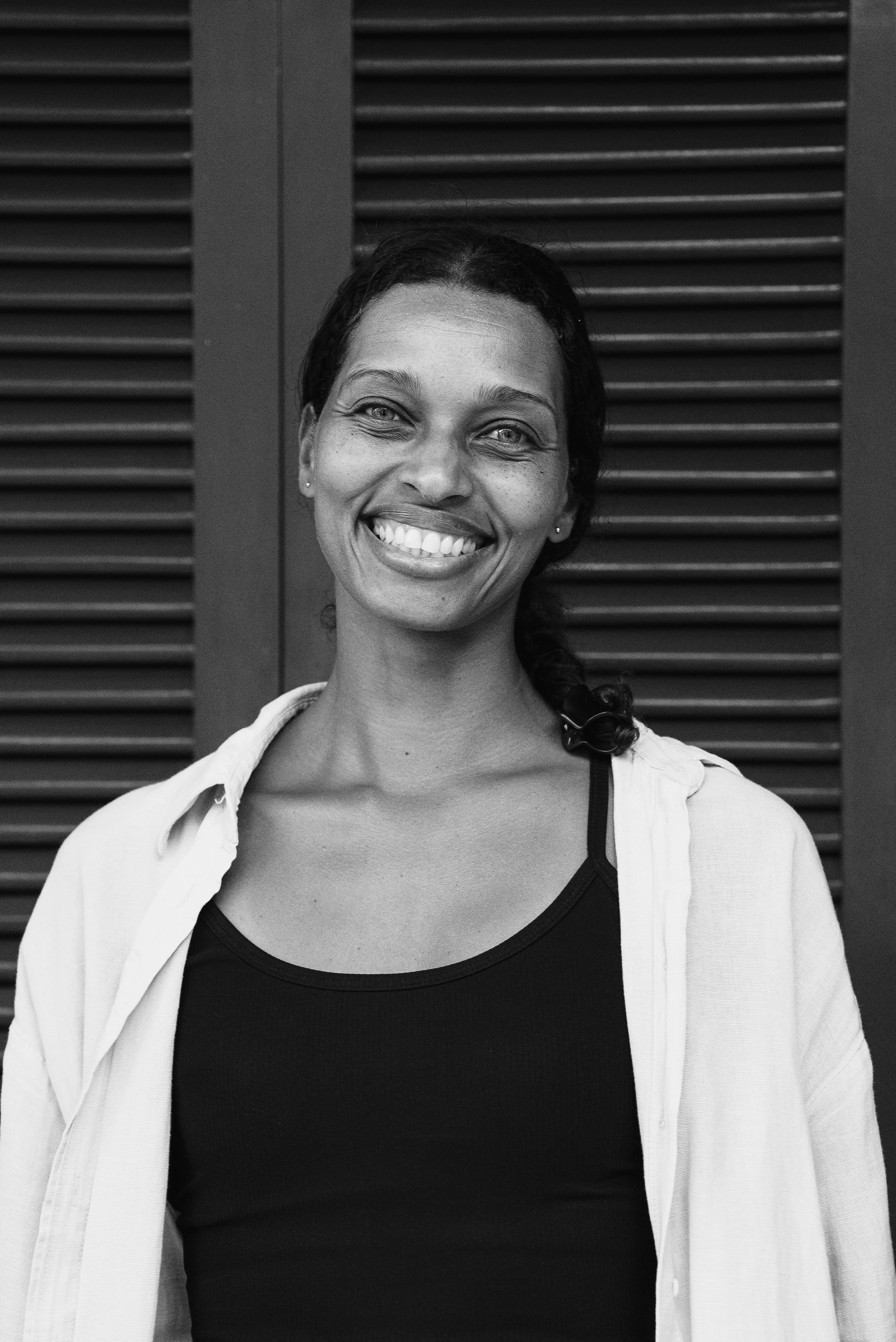
Mariana and Josefina bring contemporary studio practice spanning wheel ceramics, organic and sculptural forms, hand-building, glazing, pigmentation and product development. Through El Patio de Tierra, their work moves between teaching, experimentation, design and production.
Together, these practices create the foundation of SAB: ancestral knowledge, local production experience and contemporary experimentation in exchange with one another.
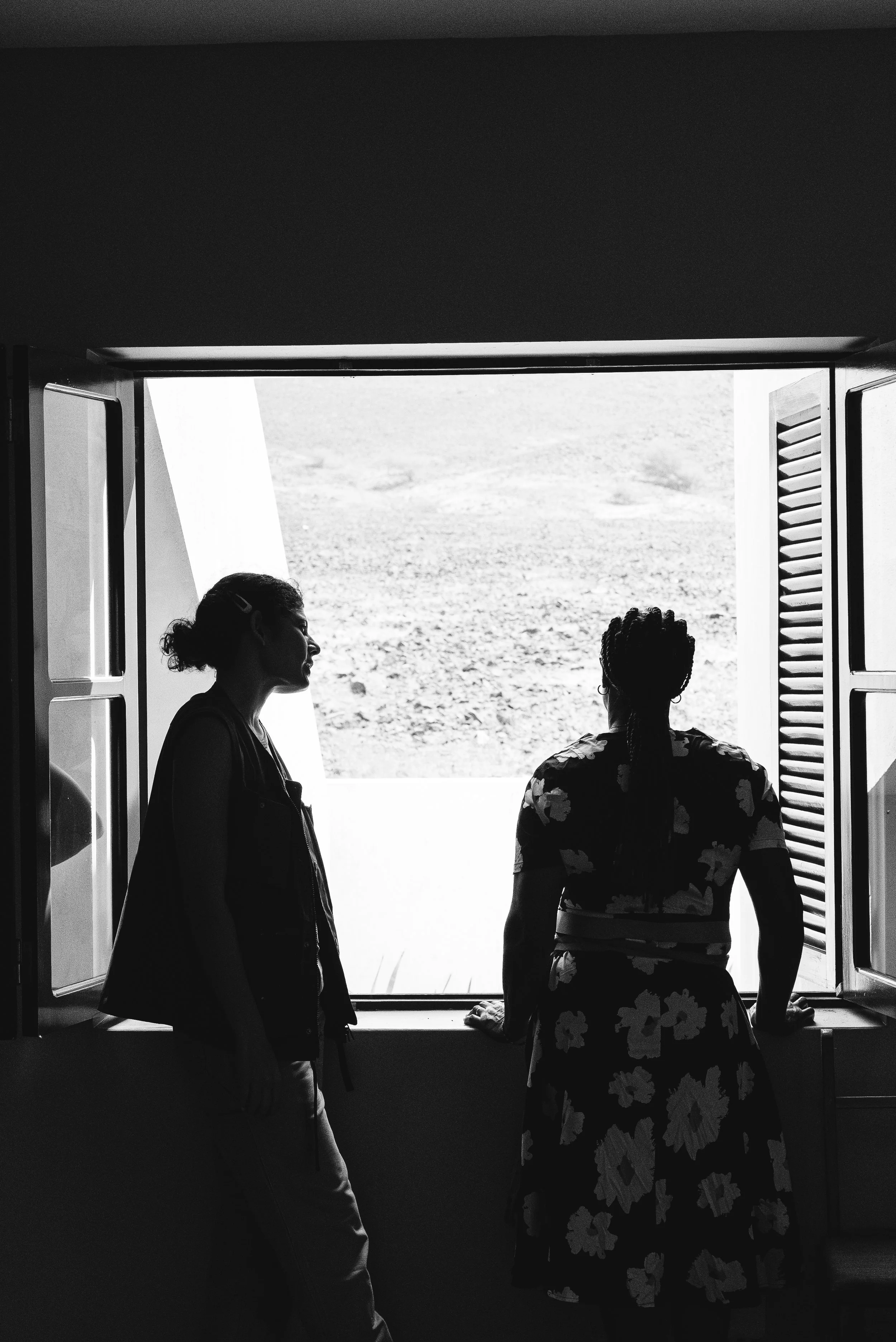
SAB was designed around what happens after the programme.
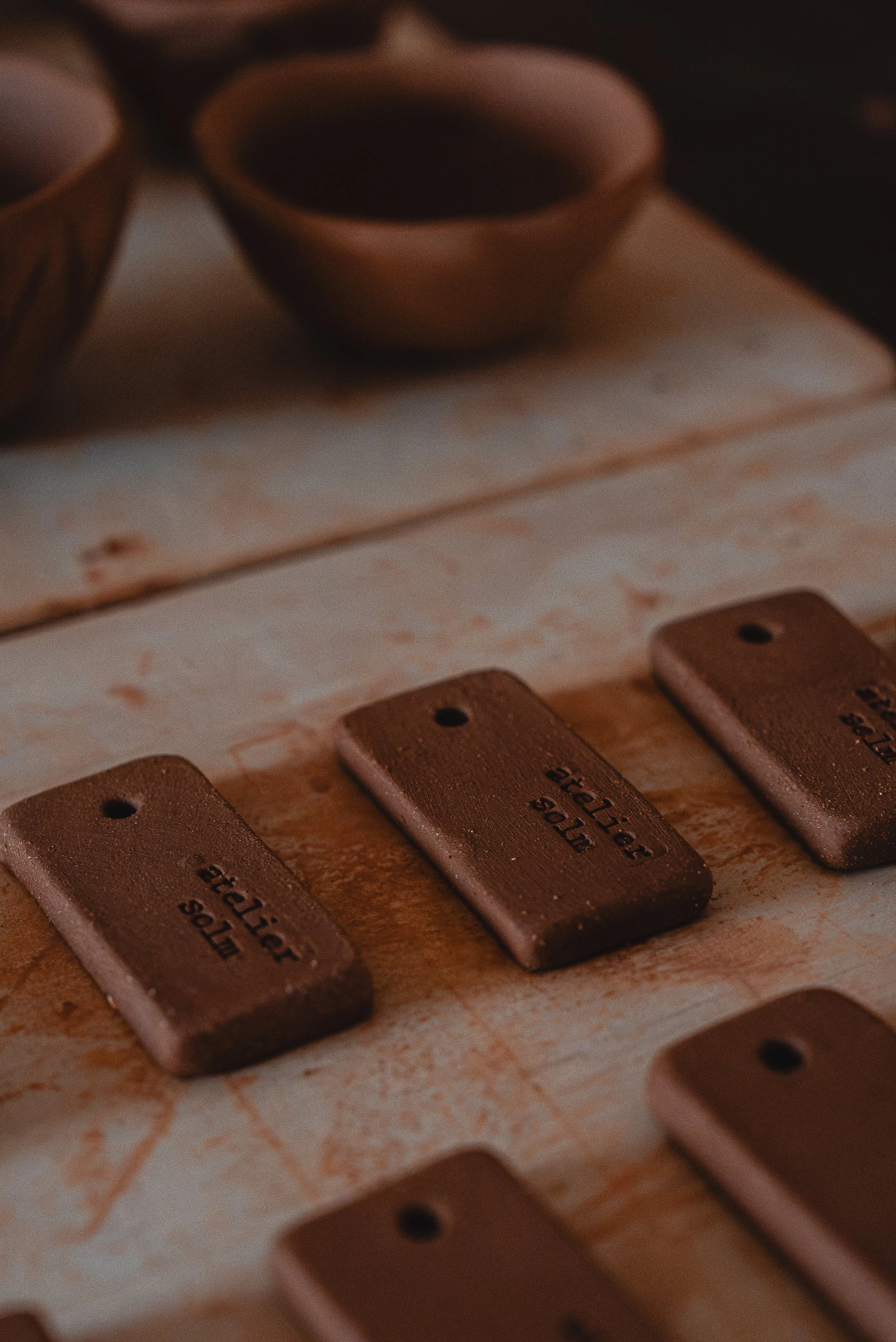
Alongside the training, SOLM is developing Atelier SOLM, a permanent ceramics atelier and production space that will allow the skills developed through SAB to continue into professional practice.
The atelier is the bridge between learning and livelihood.
Here, participants can continue to make, develop products and specialise across wheel work, mould production, decoration, glazing, quality control, design, logistics, studio operations and teaching. As their skills grow, participants can move into paid opportunities and, eventually, become mentors and teachers for future cohorts.
FROM LEARNING TO PRODUCTION
Atelier SOLM also establishes a local production foundation for Cabo Verde's hospitality industry.
We want the ceramics found in a restaurant, the vessel beside a hotel bed, the cups in a café or the objects within a spa to have the possibility of being designed and made here.
Through partnerships with hotels, restaurants, guesthouses, spas and other hospitality spaces, the atelier will produce tableware, vessels, lighting and other ceramic objects locally — creating ongoing demand for the skills being developed through SAB.
This is where our understanding of regenerative tourism becomes tangible.
Tourism already creates demand. The opportunity is to connect more of that demand to local hands, local skills and local production.
A hospitality commission can support a maker. A maker can develop into a teacher. A teacher can pass knowledge to another cohort. Traditional techniques remain practiced because there is a reason to continue practicing them.
The cycle becomes:
knowledge → learning → making → production → income → knowledge passed forward and preserved.
Our hope is that SAB becomes more than a six-month programme. It becomes the beginning of a locally rooted creative ecosystem, one where cultural knowledge remains alive because it is practiced, where new ideas can grow alongside tradition, and where more of the value created by tourism remains within the communities that make Cabo Verde what it is.