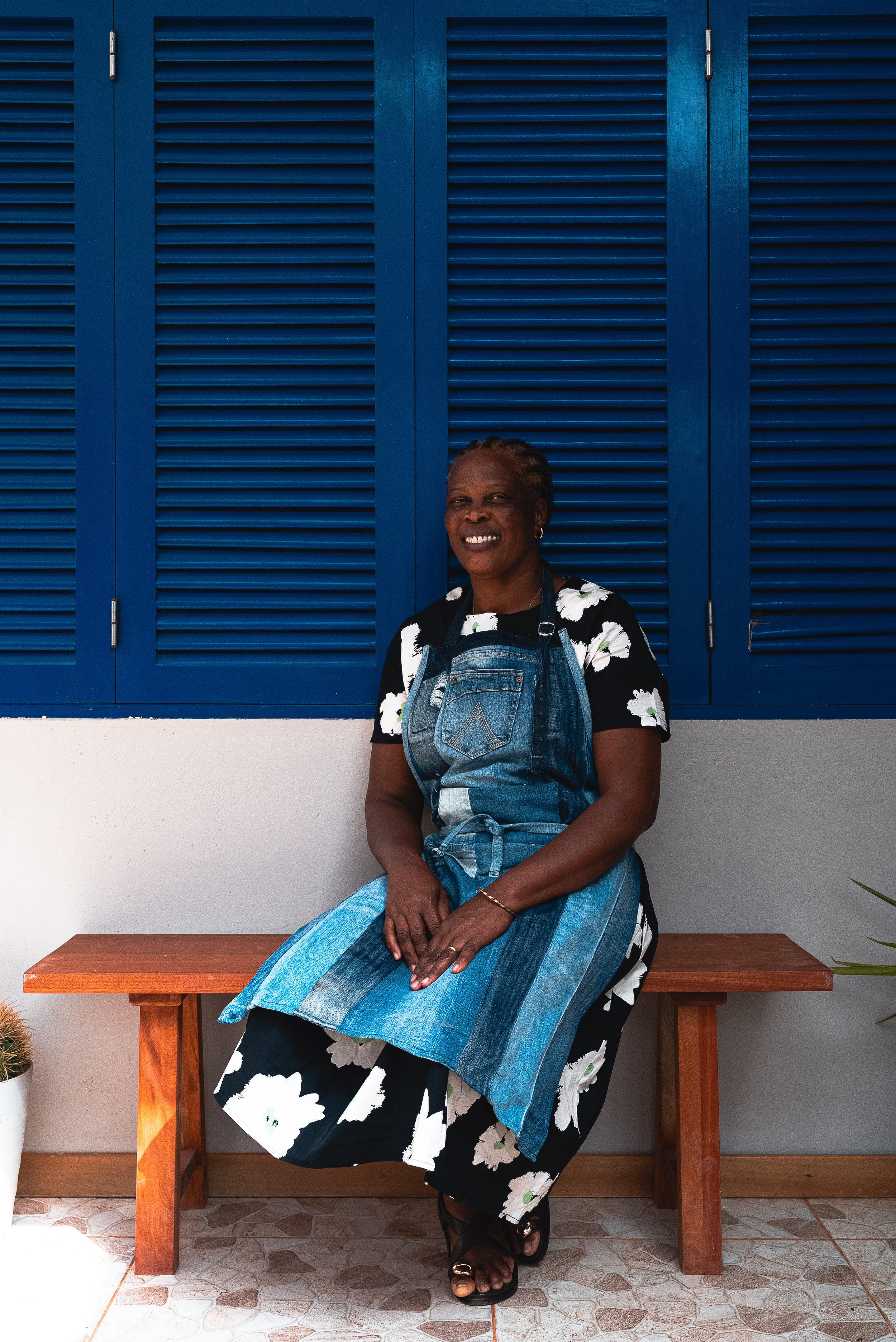
Hands That Remember: Learning from Zenaida Teixeira
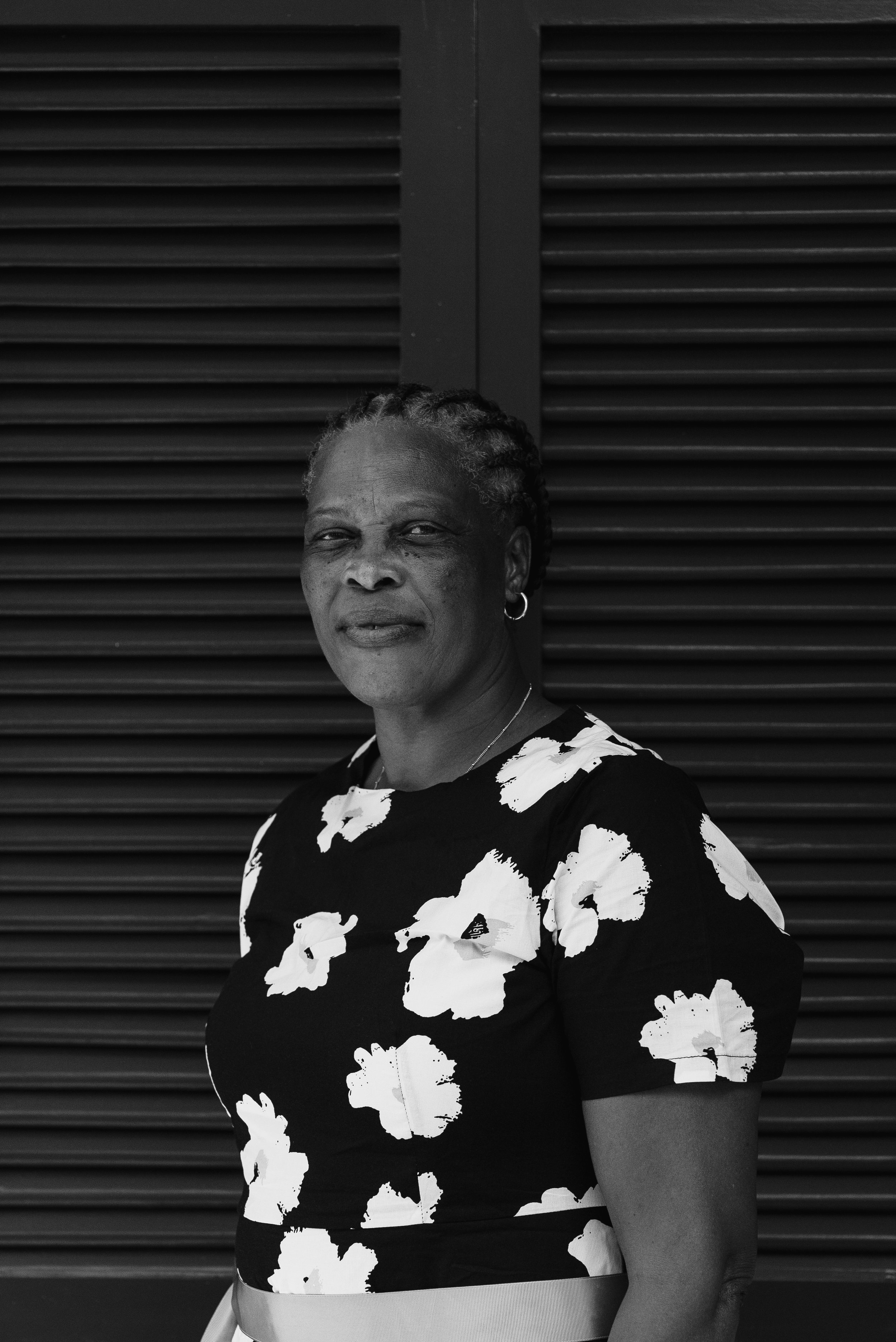
There is a certain kind of knowledge that is embedded in the psyche.
It lives in the minds and hands of those who possess it – not in books, nor in institutions. Passed from one generation to the next through repetition, observation, patience, and care, it is the kind of knowledge that transcends time because it is nurtured daily. It can only survive if someone chooses to keep nurturing it.
For more than two decades, Zenaida Teixeira has made that choice every day.
Zenaida is one of the few remaining traditional ceramicists in Cabo Verde still working with ancestral pottery-making techniques. Her practice begins long before a vessel takes shape. It starts in the mountains surrounding Tarrafal and Assomada, where she collects clay by hand, harnessing a relationship between landscape, material, and maker that has existed for generations. Every stage that follows – the sorting of impurities, the drying, the grinding, the wedging – is knowledge held not in any manual but in her body, her rhythm, her hands.
Yet ceramics was not always part of her life.
After the passing of her father, Zenaida left school in the third grade to help care for her younger siblings, allowing her mother to work and support the family. Although formal education ended early, a lifetime of learning and practice began. Today, she often says she was "born working", a phrase she carries not with regret, but with pride. The same determination that sustained her family would later become the force she brings to sculpting clay.
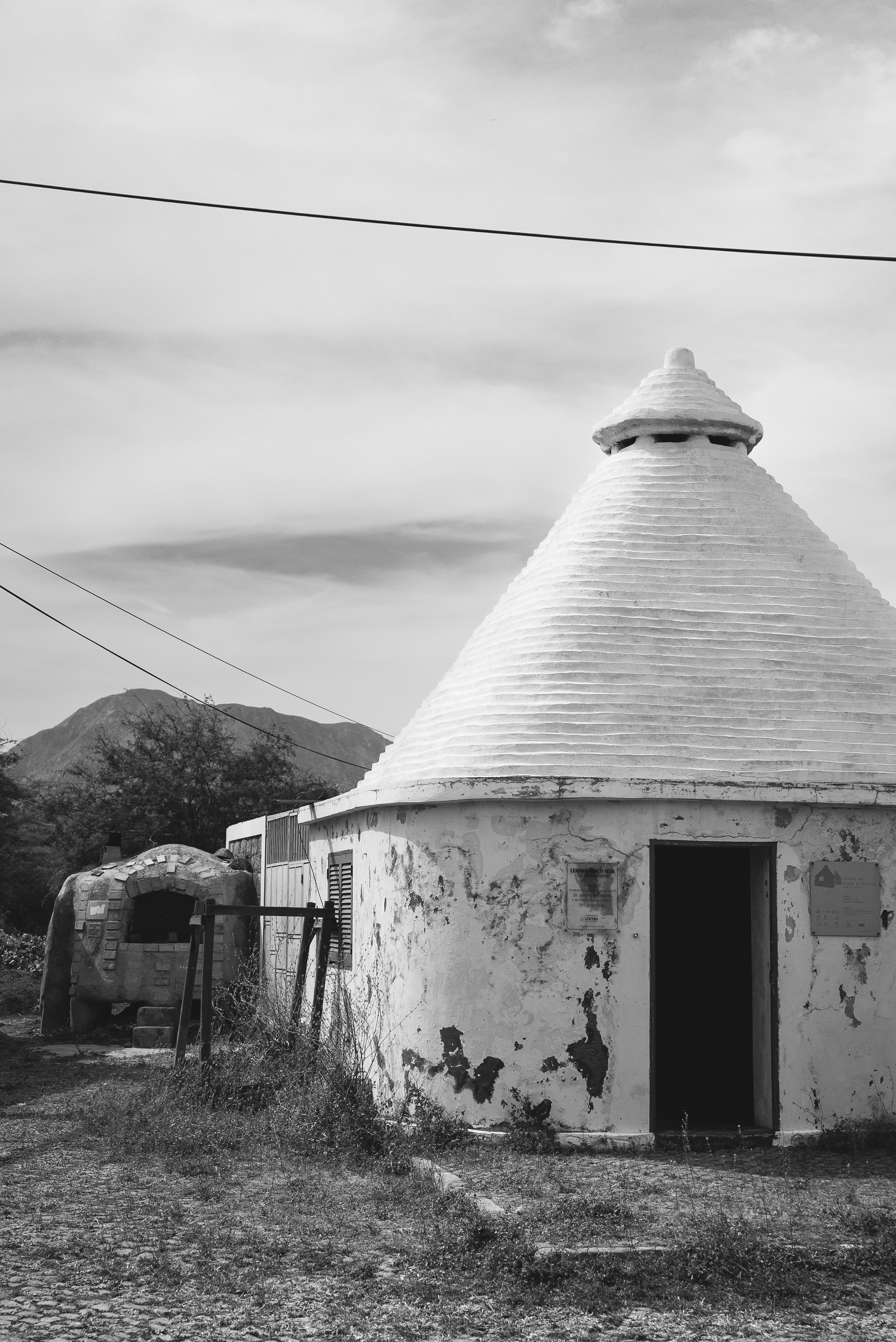
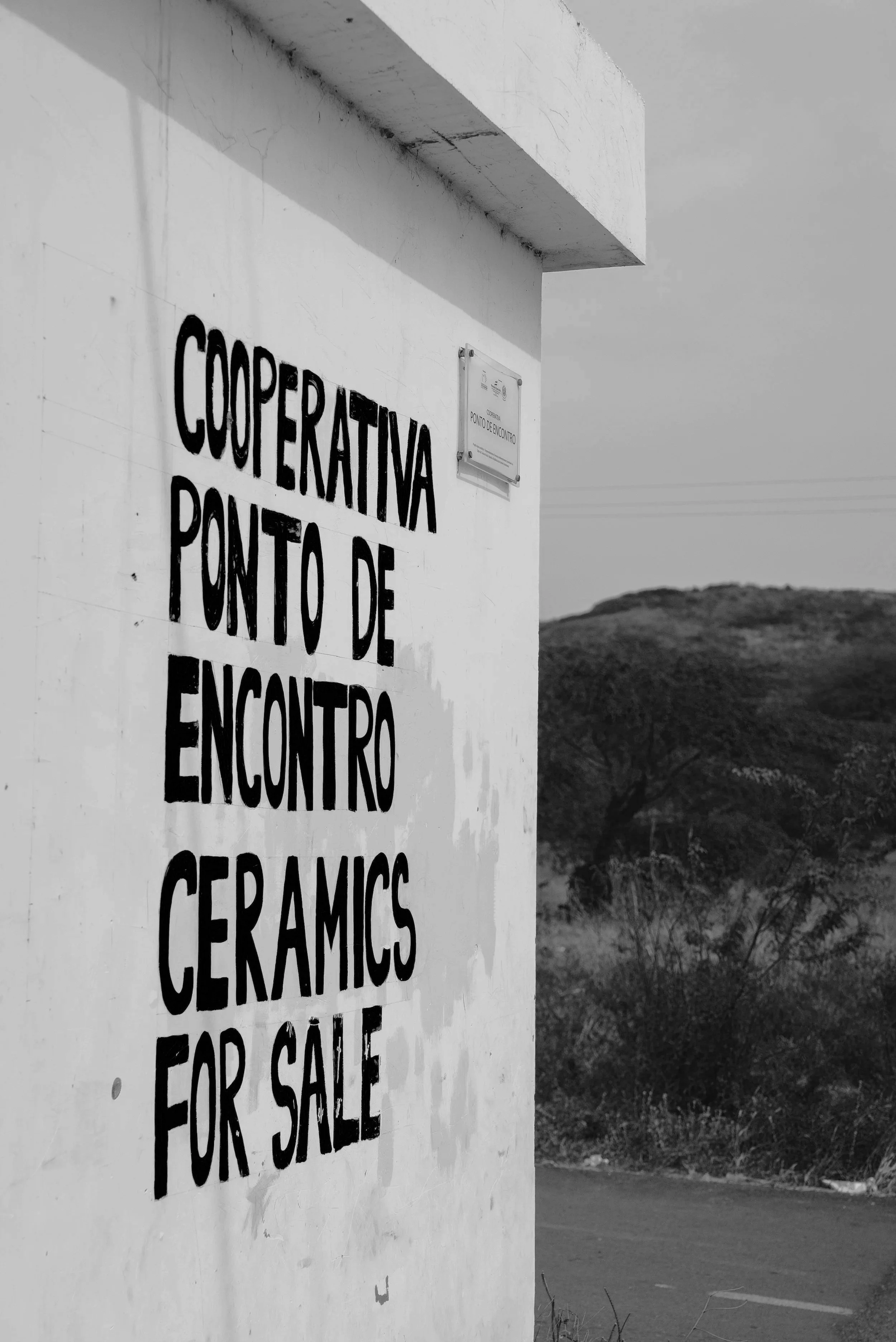
In 2006, she began a new chapter. Through an initiative led by Virginia Fróis, founder of Oficinas do Convento, elder women in the community of Trás di Munti who had once practised ceramics were brought together with a small group of younger women, including Zenaida, to transfer knowledge that was at risk of disappearing. The intention was straightforward: if the knowledge still exists, it should not be lost. Learning happened wherever there was room to sit together, prepare clay, and listen; between homes and informal gathering spaces, until 2009, when the old village store in Trás di Munti was renovated and transformed into the Centro de Arte e Ofícios (CAO), creating a permanent home for cooperative arts and crafts work centred largely around pottery.
Today, Zenaida oversees every stage of the process herself. Once a piece is built by hand using a personalised coiling technique and guided by nothing more than a corn cob and a small manual wheel, its surface is refined with tools that reflect the same improvised ingenuity of the tradition itself: an eyeglass lens used as a rib, a nail file as a blade. Rather than commercial glazes, most pieces are polished with smooth marine stones to develop a natural sheen, then dried under the sun and fired either through the "Forno no chao" floor-firing method, a practice found across parts of West Africa that speaks to Cabo Verde's deep cultural connections, or in a wood-fired brick kiln. It is a process in which the knowledge, quite literally, passes through the hands.
For Zenaida, however, ceramics is more than a repository of cultural heritage. It is a lifeline.
She often says she does not practise ceramics for recognition or economy. She practises because she cannot live without it. The atelier is her sanctuary. The clay, her therapist. When life becomes heavy and the noise of the world overwhelming, she returns to clay: to the repetitive movement of the hands, the touch of earth, and the quiet concentration of shaping something increasingly rare.
Five years ago, Zenaida lost her eldest son in a car accident. As with all profound grief, it is a loss she knows she will carry for the rest of her life. During that period, ceramics once again became an anchor. A place to return to and a way of remaining connected to the land and to the rhythms of daily life when words could not provide answers. The knowledge within her also became a kind of shelter.
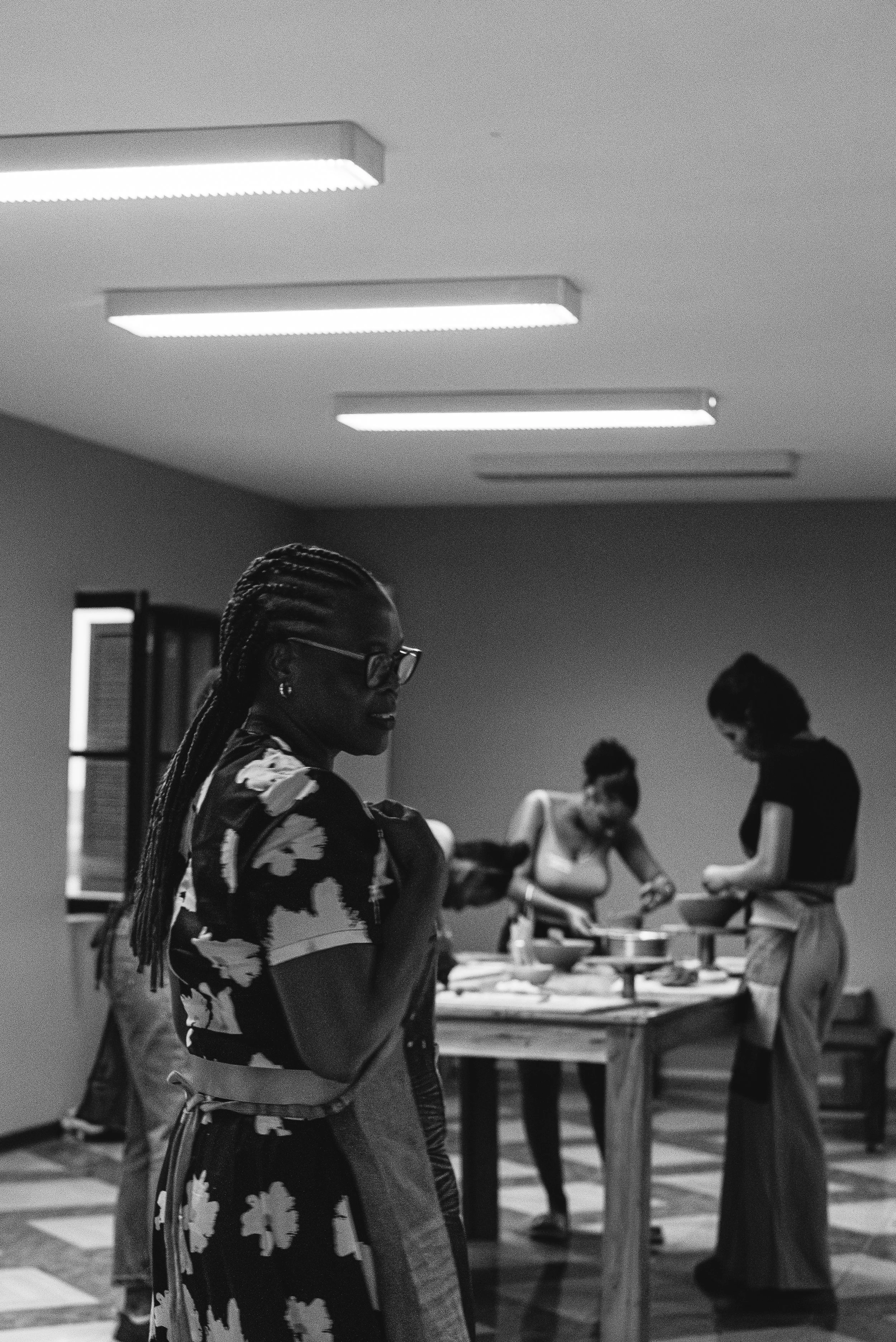
In time, most of her cohort at the CAO emigrated to Portugal in search of better opportunities; a pattern not uncommon in island economies and one that has long defined Cabo Verde's social fabric, reshaping families, communities, and cultural traditions across generations. Zenaida remains the sole active ceramicist working from the cooperative space. What is remarkable is not simply that she stayed, but that she adapted. A project originally designed around collective crafting gradually became a solitary practice, and yet rather than retreating inward, she found new forms of connection, welcoming visitors, researchers, students, and travellers into her atelier and transmitting the full chain of knowledge through hands-on workshops that often end in a shared meal she prepares herself. Zenaida's finished works are also sold directly at the CAO.
Learning, with Zenaida, unfolds as much around a table as around clay. A visit may include stories, laughter, catchupa, homemade bissap juice, and conversation about place, memory, and heritage. In 2016, she carried this spirit further, leading a six-week ceramics residency in Almada and Montemor-o-Novo in Portugal, organised by Virginia Fróis, introducing participants to Cabo Verde's earth-shaping traditions and creating a direct connection between people, material, and territory across borders.
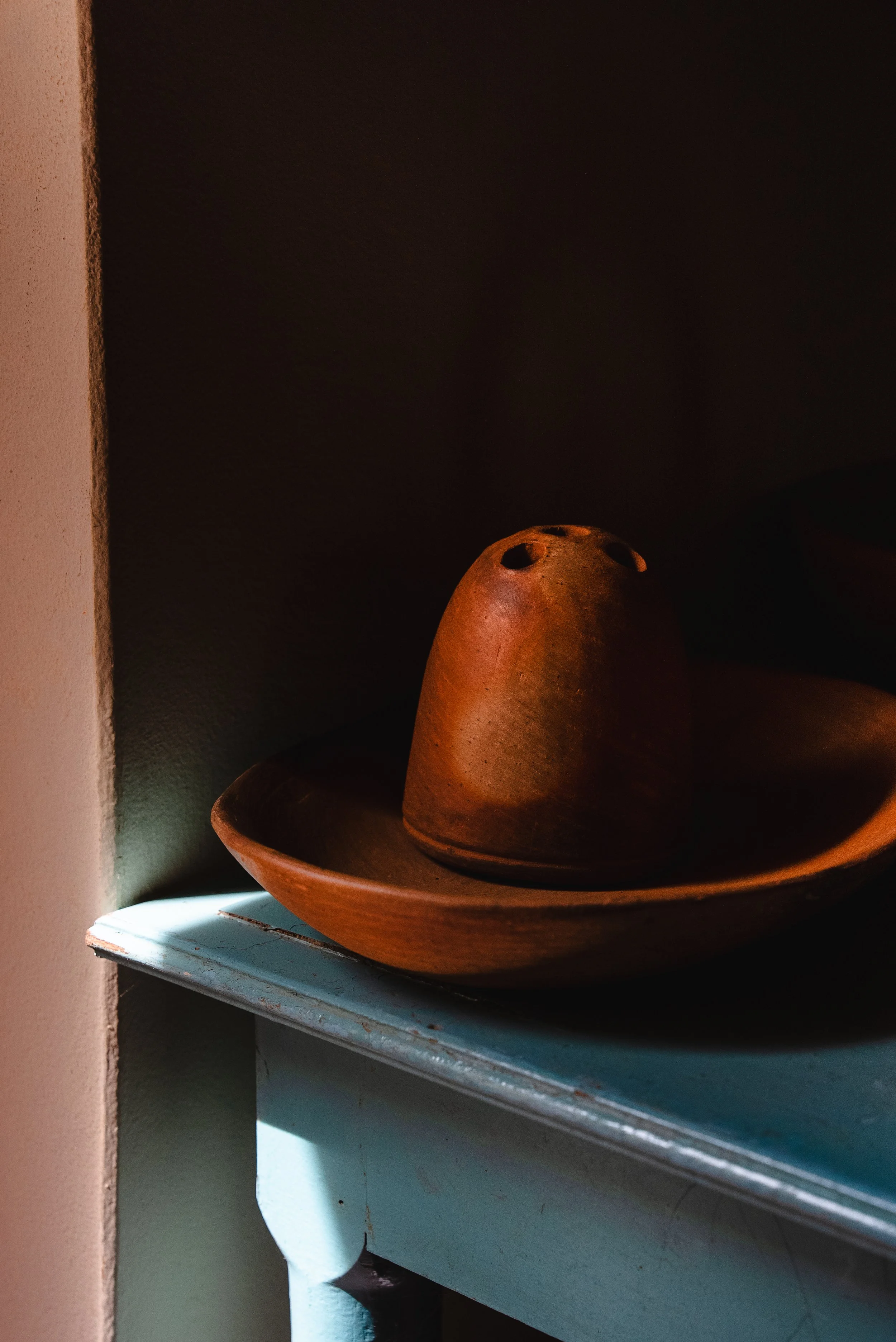
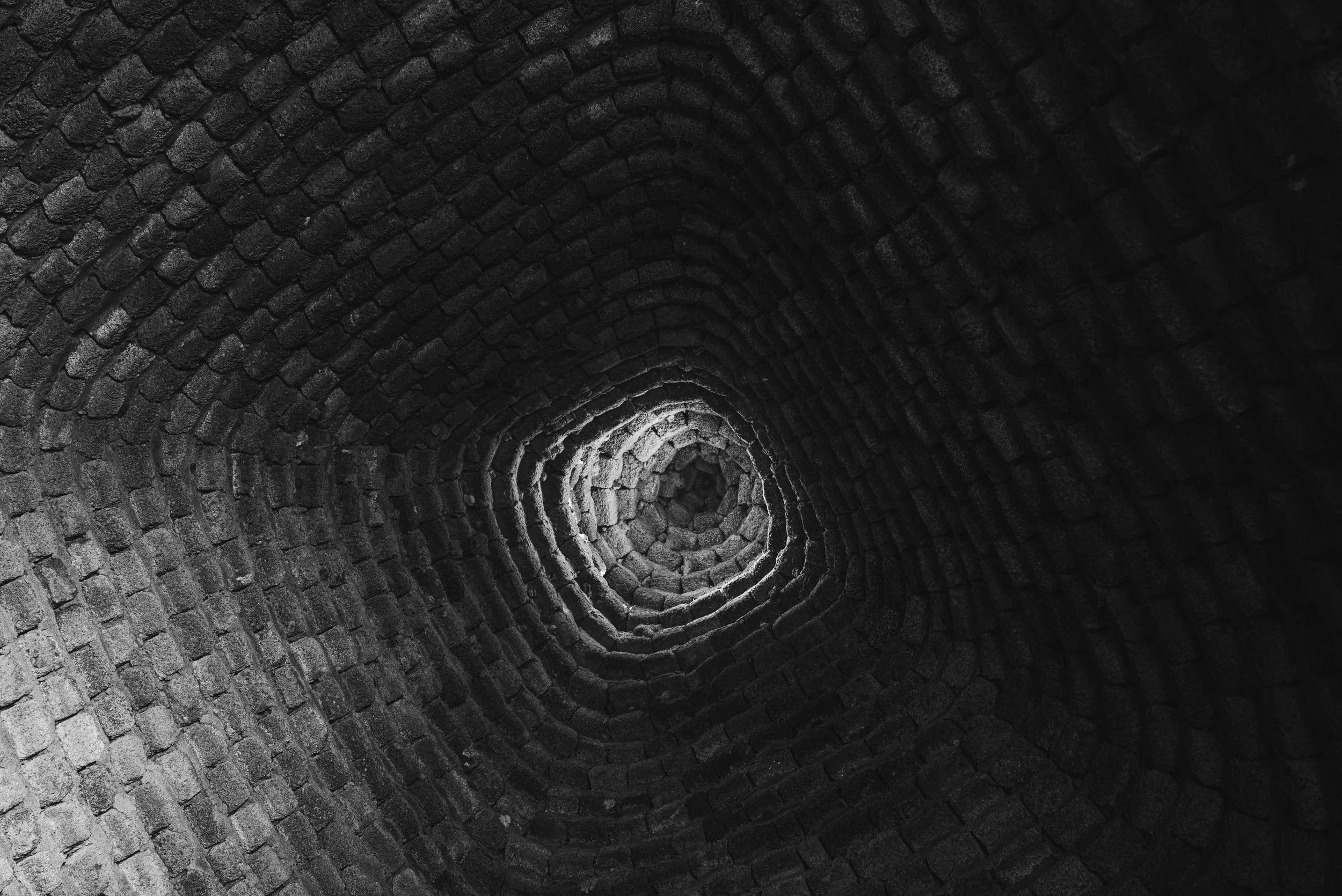
Today, Zenaida is believed to be the only ceramicist in Cabo Verde still using the traditional stone-burnished sealing method. Her work stands as an example of how hospitality, culture, and craftsmanship can come together to keep traditions alive through preservation and the ongoing act of practice, encounter, and transmission.
Her ceramics are more than decorative or functional objects. They are vessels of memory, carrying stories of landscape, resilience, and cultural continuity. They are, in the truest sense, knowledge made tangible.
We are deeply honoured to welcome Zenaida as our first resident teacher and ceramics instructor for the Atelier de Barro Intensive. Over the past week, our cohort has had the privilege of learning her techniques and ways of relating to material, heritage, and craft – a reminder that some of the most important knowledge cannot be written down, only lived and kept alive by those willing to carry it forward.
PHOTOGRAPHY // Yahn De Oliveira